
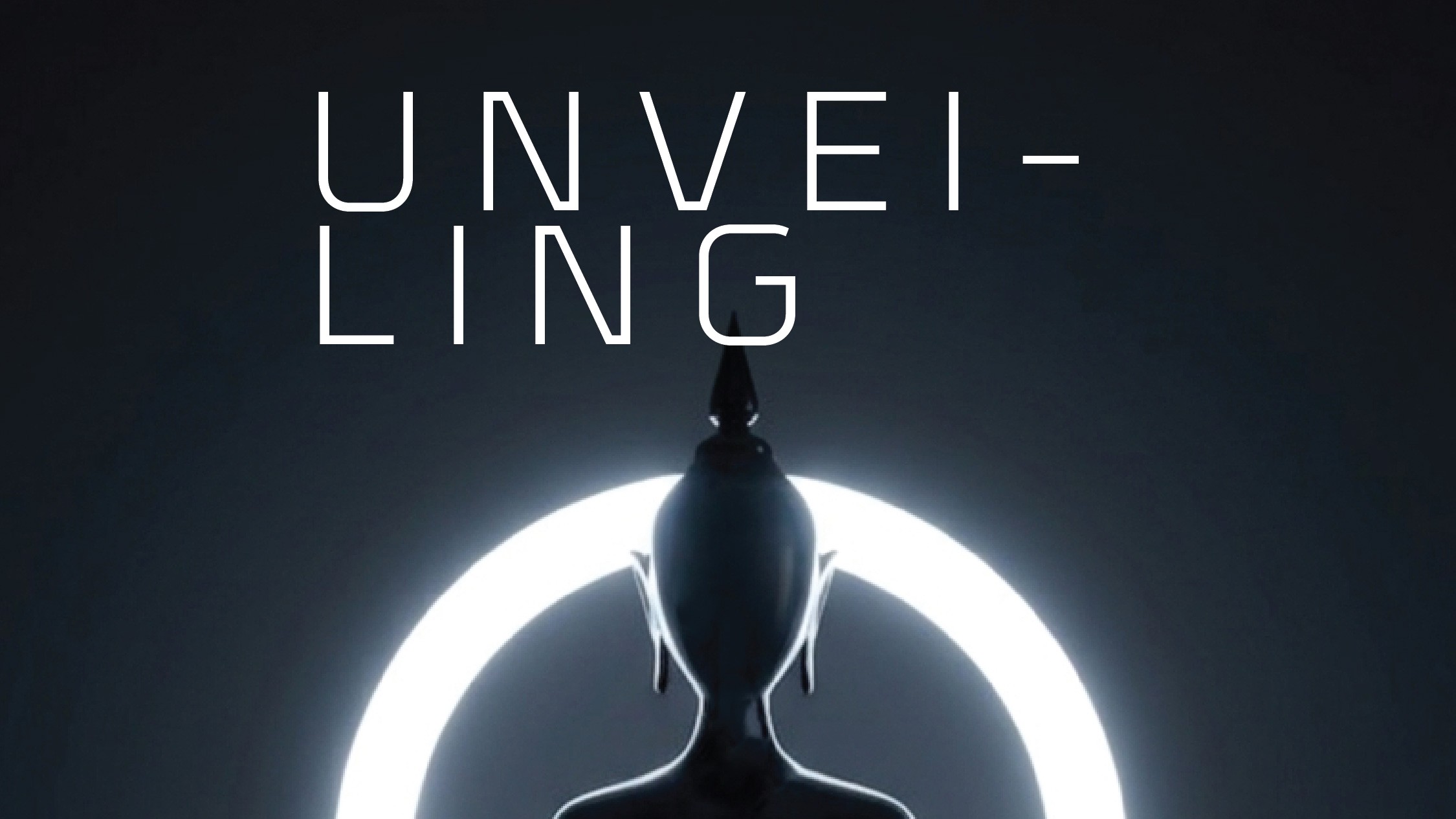
ANAPANASATI transforms mindfulness into a multisensory exhibition at River City Bangkok. Presented as Thailand’s first immersive mindfulness exhibition, it uses installation art, light, sound and immersive technology to guide visitors through nine experiential spaces. The exhibition opens on 13 August and runs daily through 28 September 2026 at RCB Galleria 3 on the second floor. Admission is free.
The title refers to mindfulness of breathing. River City Bangkok’s presentation starts from a familiar problem: daily life is filled with motion, notifications and expectations, while attention to one’s own breath can disappear into the background. The exhibition responds by creating a physical journey in which pausing, noticing and reflection become part of the visitor’s movement through the gallery.
Event details
- Dates: 13 August–28 September 2026
- Hours: Daily, 10:00–20:00
- Admission: Free
- Venue: RCB Galleria 3, 2nd Floor, River City Bangkok
- Address: 23 Charoen Krung Soi 24, Talat Noi, Samphanthawong, Bangkok 10100
- Format: Immersive exhibition using installation, light, sound, technology and multisensory design
- Official source: River City Bangkok
The exhibition had not yet opened on the Bangkok scan date of 11 August. Its first public day is 13 August, and the official page lists the closing date as 28 September.
A journey through nine spaces
Rather than arranging objects as a conventional gallery display, ANAPANASATI is structured as a sequence of nine experiential spaces. River City Bangkok says these spaces are designed to help visitors release emotional fatigue, reconnect with thoughts and feelings, and encounter moments of awareness and reflection.
That sequence matters to the form of the show. Installation art is experienced through position, scale and movement, while light and sound can alter a visitor’s sense of time and attention. Immersive technology adds another layer, allowing the environment to respond or change without reducing mindfulness to a written explanation on a wall. The official description does not publish a room-by-room itinerary, leaving the progression to be encountered during the visit.
The exhibition is therefore closer to a guided spatial experience than to a survey of paintings or sculptures. Visitors should expect the route, atmosphere and transitions between spaces to carry the concept. Moving slowly is likely to be more useful than trying to complete the exhibition quickly, because the subject is attention itself.
Thai cultural practices in a contemporary format
River City Bangkok identifies three familiar practices behind the experience: making wishes, letting go and meditation. ANAPANASATI reinterprets them through contemporary psychology and experience design. This framing keeps the exhibition connected to recognisable Thai cultural practices while presenting them in a format intended to be accessible to a broad public.
The official text describes mindfulness not as a distant philosophy but as something that can be felt through body and mind. Its themes include healing, acceptance, choice and being fully present. Those ideas are not presented as medical treatment, and the event page makes no therapeutic promise. They are the conceptual material of an art experience built around reflection.
Breathing provides a direct organising idea because it is always present but often unnoticed. By returning attention to it, the exhibition links an ordinary bodily process to questions about distraction, fatigue and self-awareness. Light, sound and installation can make those otherwise invisible shifts in attention perceptible without requiring prior knowledge of meditation.
How to approach the exhibition
Because the official page emphasises an inward journey, the most useful preparation is simple: allow enough time and arrive without planning to rush through all nine spaces. Notice where the exhibition asks for active participation and where it asks only for stillness or observation. Pay attention to changes in brightness, sound, pace and spatial enclosure, since these are part of the work rather than background decoration.
The show may appeal to visitors interested in installation art and experience design as much as to people interested in mindfulness. Its combination of cultural reference and technology raises practical curatorial questions: how can a gallery represent an internal state, and how can a designed environment encourage attention without dictating what each visitor should feel? Those questions provide a useful way to read the exhibition while respecting that responses will be personal.
Visitors who are sensitive to strong sound, low light or immersive media should contact River City Bangkok in advance because the official page does not provide detailed sensory or accessibility guidance. The venue is indoors and RCB Galleria 3 is on the second floor.
Planning your visit
River City Bangkok is located in Talat Noi beside the Chao Phraya River. The exhibition is open daily from 10:00 to 20:00 and River City Bangkok explicitly lists free admission. Check the official page shortly before travelling for any changes to access or hours.
The nine-space structure is a reason to reserve a comfortable block of time. There is no need to arrive with knowledge of Buddhist terminology: the official presentation is designed to translate mindfulness into a direct experience through contemporary media.
Frequently asked questions
When does ANAPANASATI open?
It opens on 13 August 2026 and continues through 28 September 2026.
Is admission free?
Yes. River City Bangkok’s official event page states that admission is free.
Where is the exhibition?
It is at RCB Galleria 3, 2nd Floor, River City Bangkok, 23 Charoen Krung Soi 24 in Talat Noi.
Is it a meditation class?
The official page describes it as an immersive mindfulness exhibition. It uses nine designed spaces, installation art, light, sound and technology; it is not advertised as a class or medical programme.
What language is required?
The official page does not state a language requirement. The exhibition is presented as a multisensory experience, but visitors who need specific language or accessibility support should contact the venue before attending.